
The number of pets around the world is rising fast. People now treat their pets more like family members, which means they want better, healthier food. Thanks to manufacturing technology, called extrusion, pet food companies can create innovative, tasty, and nutritious products. Understanding how this market grows, what pushes it forward, and where it’s headed is key for everyone in the industry.
Market overview
The extruded pet food market is booming. Industry reports estimate it was worth over $40 billion in 2023. The market has grown at a rate of about 5-6% annually over recent years. Experts expect this trend to continue as pet owners spend more on premium foods. With demand rising steadily, the market’s growth shows no signs of slowing down.
Key regions driving the market
- North America: Dominates in sales. Pet owners here love premium foods and brands that focus on health and wellness.
- Europe and Asia-Pacific: Fast-growing markets. Europe is seeing more demand for organic and natural options, while Asia-Pacific shows a rising number of pet owners eager for new products.
Types of extruded pet food products
The main product types include:
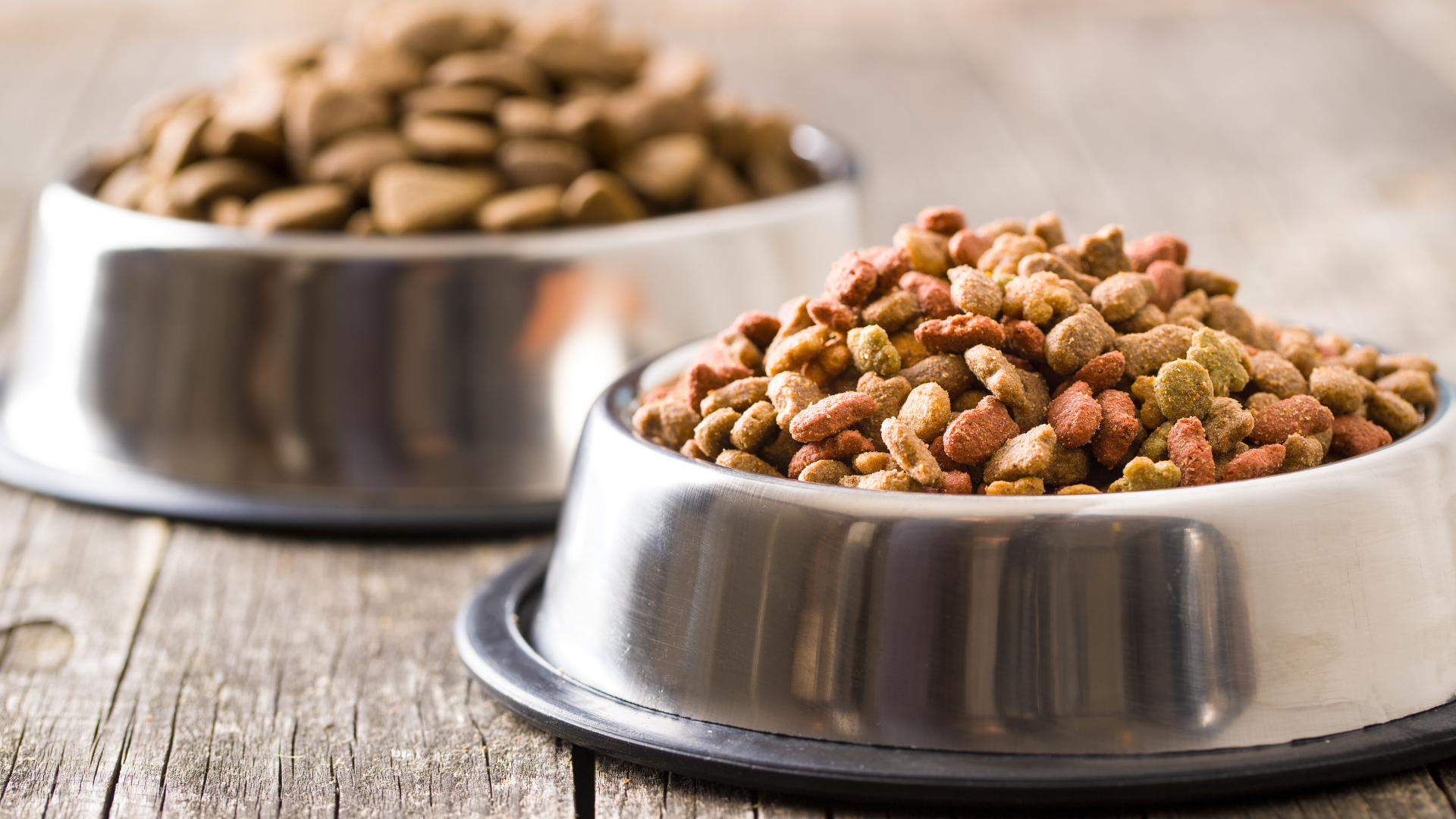
- Kibble: The classic dry dog and cat food. It’s popular for its convenience and shelf life.
- Treats: Small, fun, and often functional—aimed at training or health benefits.
- Specialty extruded foods: These are tailored for specific needs, like weight control or sensitive stomachs.
Each form has its unique features and appeals to different customer preferences.
Key drivers fuelling market expansion
Rising pet ownership and humanization
More people own pets than ever before. In the US, about 70% of households have some kind of pet. Globally, this trend is spreading. Pet owners now treat their animals like family members, which pushes demand for better, nutritious foods. They want options that support health, energy, and happiness.
Advances in extrusion technology and product innovation
New tech makes extruded pet food more appealing. Better extrusion methods help improve texture, flavor, and nutrition. Companies now create foods with added superfoods, probiotics, and other health boosters. Some brands even offer personalized diets based on a pet’s age, breed, or health issues.
Growing consumer awareness and premium product demand
More pet owners are looking for organic, natural, and health-focused foods. They also trust brands that are transparent about ingredients. Social media influencers and pet blogs push these trends, making premium foods more popular than ever.
Regulatory environment and industry standards
Stricter safety rules demand higher quality products. Certifications from health and safety agencies reassure customers. As regulations tighten, companies raise their standards, making products safer and more trustworthy.
Innovations and trends reshaping the market
Fortified and nutritional enhancements
New extruded foods contain added superfoods, probiotics, and other functional ingredients. These boost digestion, immunity, and overall health. Some brands have launched products with ingredients like blueberries, sweet potatoes, and turmeric.
Sustainability and eco-friendly practices
Sustainability is a hot topic in pet food. Brands are now using responsibly sourced ingredients and biodegradable packaging. Efforts to reduce carbon footprints include using plant-based proteins and recycling waste.
Customization and personalization
More companies now offer tailored diets. These may focus on weight management, food sensitivities, or special health needs. Technology allows mass production of personalized extruded foods, matching each pet’s unique profile.
E-commerce and direct sales
Online shopping for pet food is surging. E-commerce platforms make it easier for pet owners to buy the exact products they want and get them fast. This shift helps brands reach more customers directly and build loyalty.
Challenges and competitive landscape
Supply chain disruptions
Global issues—like ingredient shortages and rising costs—affect the availability of key raw materials. Prices are climbing, making it harder for companies to keep margins steady.
Market saturation and brand differentiation
With many brands in the space, standing out becomes harder. New players need to find ways to differentiate through quality, innovation, and storytelling.
Quality and safety
Ensuring consistent quality is vital. Any safety concerns can damage reputation fast. Companies must invest in strict quality controls and transparent practices.
Regulatory barriers
Different regions have varying rules. Navigating these can slow down new product launches, raising costs and complexity.
Future outlook and strategic opportunities
Market growth and new regions
The pet food market will keep expanding, especially in emerging markets like Latin America, Southeast Asia, and Africa. Growing pet populations in these areas create vast opportunities.
Innovation and new product lines
Tech advancements will continue to enable new formats and functions. Imagine foods that adapt to a pet’s changing health needs or even products that double as treats and medication.
Strategies for industry players
- Invest heavily in research and development.
- Emphasize sustainability and eco-friendly practices.
- Use social media and e-commerce to reach new customers.
- Build trust with transparent ingredient lists and rigorous safety standards.
Conclusion
The extruded pet food market is growing fast. Pet owners want healthier, more natural, and personalized options. Innovation, sustainability, and digital channels are reshaping the industry. As new markets open and demand increases, companies that focus on quality and transparency will lead the way. The future of pet food looks exciting—full of invention and opportunity. Now is the time to act and stay ahead of this expanding field.