
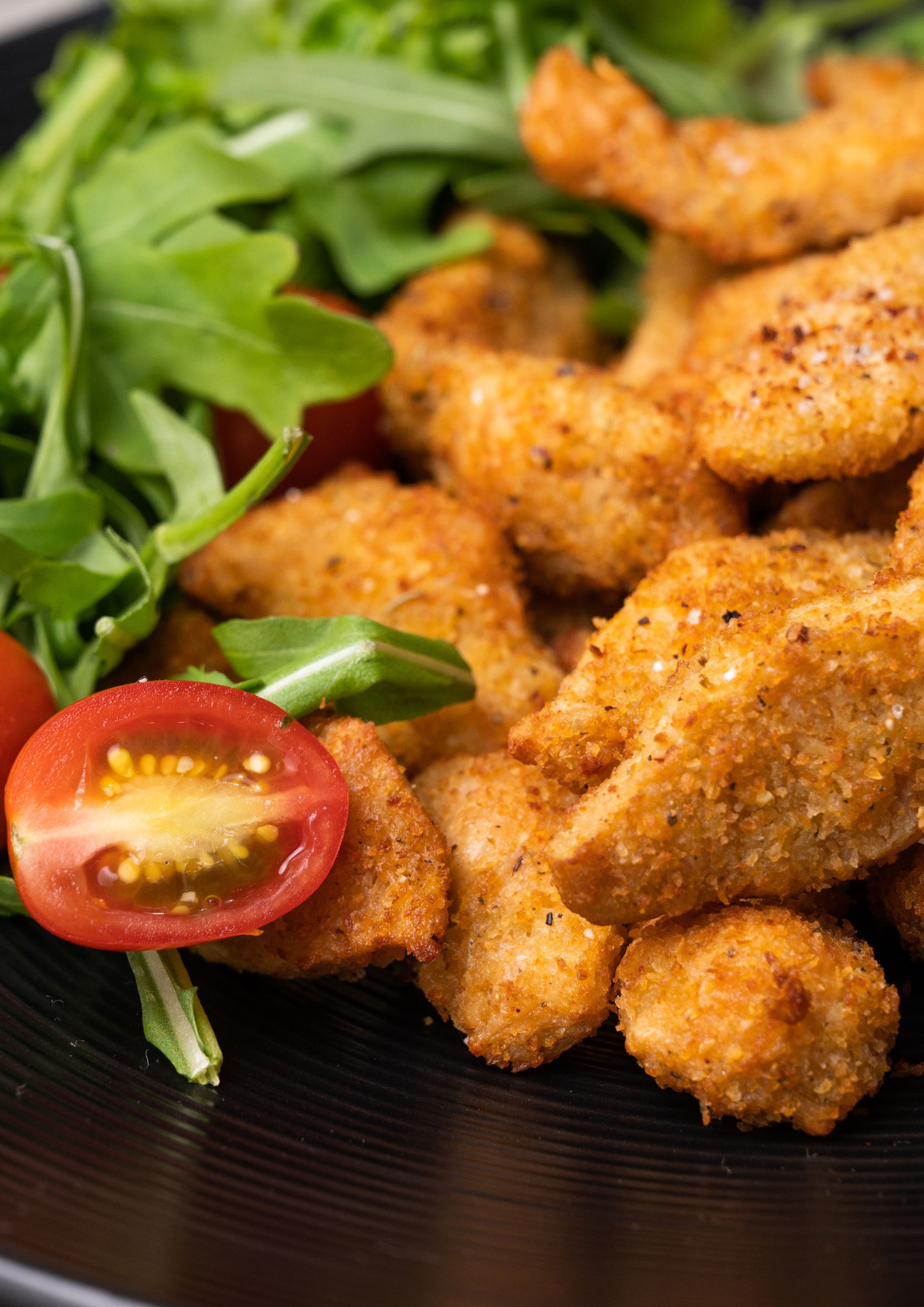
 Extrusion technology has been revolutionizing the food industry, especially when it comes to plant-based protein products. With the rising consumer demand for sustainable and healthy alternatives to animal-derived proteins, extrusion has emerged as a key solution for manufacturers. This versatile technology allows for the efficient production of a wide range of plant-based protein products, from textured vegetable proteins to meat alternatives.
Understanding the science behind extrusion is key to appreciating its significance in the production of plant-based protein products. Extrusion utilizes high temperature and pressure to process raw materials, transforming them into a variety of textured forms. This controlled process not only helps enhance the nutritional value and texture of plant proteins but also improves their sensory qualities. By precisely adjusting variables like temperature, moisture content, and shear forces, manufacturers can tailor the characteristics of the end product to meet consumer preferences.
Key advantages of extrusion in developing plant-based protein products
Extrusion offers numerous advantages in the development of plant-based protein products. Firstly, it allows for the creation of a versatile range of textures and shapes, mimicking the mouthfeel of animal-based proteins. Secondly, the high temperature and pressure involved in extrusion can denature anti-nutritional factors and enhance the bioavailability of essential nutrients in plant proteins. Lastly, extrusion helps to improve the taste, palatability, and overall consumer acceptance of plant-based protein products, thereby expanding their market appeal. These benefits underscore the critical role that extrusion plays in revolutionizing the plant protein industry.
However, successfully extruding plant proteins comes with its own set of challenges that must be addressed to ensure optimal product quality. From maintaining the right moisture content to adjusting processing parameters for different plant protein sources, overcoming these obstacles is crucial for achieving the desired texture, flavor, and nutritional profile.
To achieve top-quality plant protein products through extrusion, it is vital to implement the best practices. This includes meticulously controlling moisture levels, fine-tuning processing parameters according to the specific plant protein source, and ensuring consistent product flow throughout the extrusion process. By following these guidelines, manufacturers can enhance texture, flavor, and the overall nutritional value of their plant protein products.
In this article, we have delved into the crucial role extrusion plays in producing high-quality plant protein products. By mastering the best practices of extrusion, manufacturers can unlock a world of possibilities for creating innovative plant-based offerings that meet consumer demands for texture, flavor, and nutrition. Through precise control of processing parameters and consistent product flow, extrusion offers a scalable and versatile solution for elevating plant protein products to new heights. Stay committed to implementing these strategies to optimize your extrusion process and position your brand at the forefront of the plant-based food industry. Take the leap towards leveraging extrusion technology for a thriving future in plant protein production.