
In recent years, the conversation surrounding food production has shifted significantly towards sustainability, economic development, and nutrition. One innovative method that stands out in this discourse is extrusion, a process increasingly recognized for its ability to create safe, affordable, and nutritious foods. However, what often gets overlooked is the vital role that local agricultural products play in this equation. By prioritizing local ingredients in the extrusion process, we can significantly contribute to economic growth, enhance food security, and positively impact our communities.
Economic growth
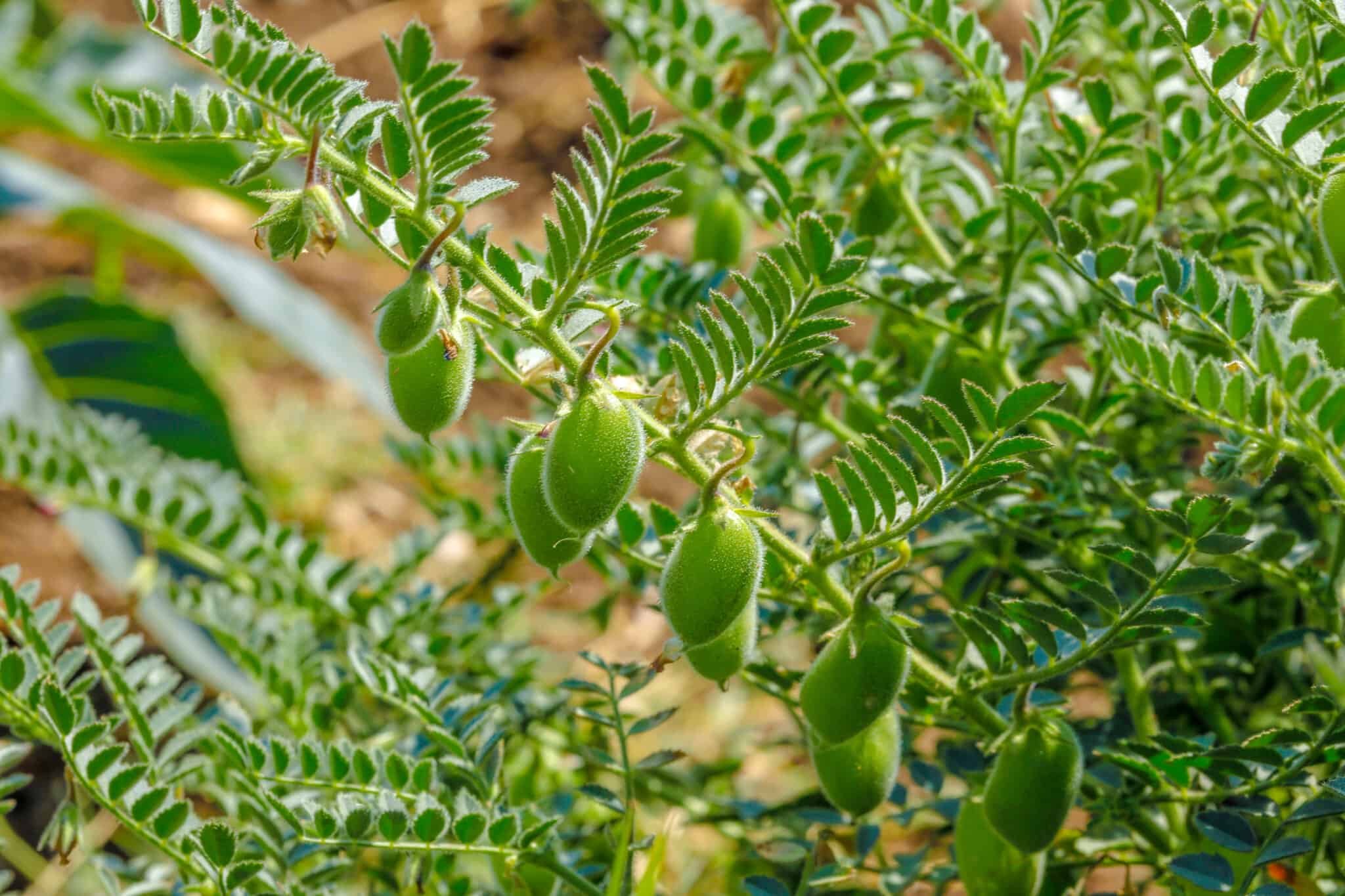
Sourcing ingredients from local farmers stimulates economic activity within communities. By investing in local agricultural products, extruded food manufacturers create a demand that supports local economies. This not only helps farmers thrive but also promotes job creation at multiple levels, from farming to processing. The ripple effect on the economy can be substantial; when local farmers succeed, they reinvest in their communities, leading to a more resilient local economy overall. Moreover, using local ingredients can reduce transportation costs and emissions associated with sourcing materials from far-off locations. This makes local sourcing not only an economically sound decision but also an environmentally responsible one. As consumers become more environmentally conscious, businesses that prioritize local products may find a competitive edge.
Food security
Food security is a pressing issue that demands our attention. By leveraging local agricultural products in the production of extruded foods, we can address this challenge more effectively. Local sourcing means fresher ingredients, which can lead to higher quality and better nutritional value. It also means that communities are less reliant on distant food markets, which can be disrupted by global events, natural disasters, or economic fluctuations. Supporting local agriculture fosters a sustainable food system and encourages diversity in crop production, making communities more resilient to supply chain disruptions. As we incorporate more locally sourced ingredients into our food systems, we create a buffer against food insecurity and help ensure that everyone has access to safe and nutritious options.
Extrusion: A brilliant method for food production
Extrusion is often hailed as one of the most innovative methods of food production in recent years. The process involves forcing food materials through a specially designed die, which can create a variety of textures and shapes. This versatility allows for enhanced nutritional profiles and the integration of diverse local ingredients. Additionally, extrusion can extend the shelf life of food products, making it easier to store and distribute locally produced goods. It can also facilitate the incorporation of underutilized crops into mainstream diets, showcasing the rich biodiversity of local agriculture.
In conclusion, the importance of using local agricultural products in the production of extruded foods cannot be overstated. By doing so, we can stimulate economic growth, enhance food security, and create safe, affordable, and nutritious food options for all. As we move forward, it’s essential for both consumers and manufacturers to recognize the benefits of supporting local agriculture in the broader context of food production. Together, we can build a more sustainable food system that nourishes not just our bodies, but our communities and the very planet we rely on.