
Key components of modern extrusion systems
Food extrusion is more than just pushing ingredients through a tube. Modern extrusion systems are sophisticated setups with several critical components working together.
At the heart of any extrusion system is the extruder barrel—a cylindrical chamber where the magic happens. This barrel houses one or two rotating screws that move the product forward while applying mechanical energy. The feed system controls ingredient flow into the extruder, typically using hoppers and metering devices to ensure consistent input. Get this wrong, and your entire production suffers.The die assembly at the barrel’s end shapes the extrudate into your desired form—whether that’s cereal, pasta, or pet food. Think of it as the final checkpoint before your product meets the world.
But here’s what many overlook: the preconditioner. This pre-extruder component mixes, heats, and hydrates ingredients before they enter the extruder barrel. Without proper preconditioning, you’re basically asking your extruder to do twice the work with half the results. Control systems tie everything together, monitoring temperature, pressure, and motor load to maintain consistency throughout the process.
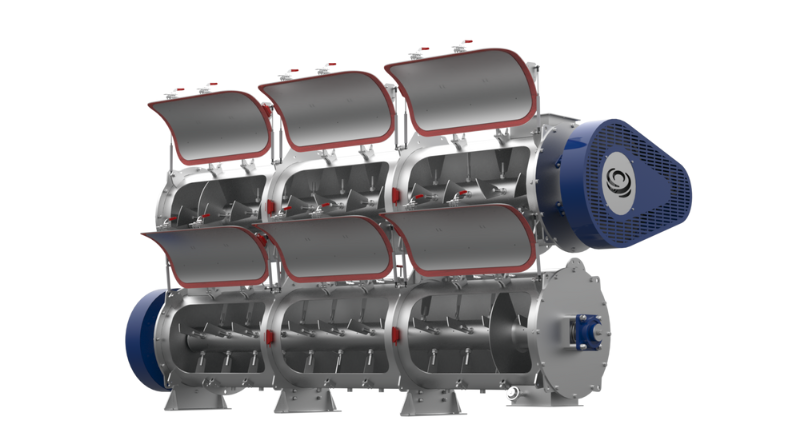
The critical role of conditioning in food production
Ever tried to make bread without letting the dough rest? That’s what extrusion without proper conditioning feels like—rough, uneven, and problematic.
Conditioning isn’t just a step; it’s the foundation of successful extrusion. During this phase, ingredients absorb moisture, start enzymatic reactions, and develop the right physical properties for extrusion.
Good conditioning accomplishes several things simultaneously:
- Uniform moisture distribution throughout your ingredients
- Initial starch gelatinization and protein denaturation
- Reduced mechanical energy requirements in the extruder
- Longer equipment life (your maintenance team will thank you)
The difference between properly conditioned and poorly conditioned ingredients is night and day. Well-conditioned materials flow smoothly through the extruder, cook more evenly, and form consistent products. Skip this step, and you’re gambling with product quality. Some processors try to compensate for poor conditioning by cranking up mechanical energy in the extruder. Bad move. This increases wear and tear while reducing overall efficiency.
How extrusion affects product quality and consistency
Extrusion transforms ingredients at a fundamental level. The combination of heat, pressure, and mechanical shear creates physical and chemical changes that define your final product. Temperature control during extrusion directly impacts texture development. Too hot, and proteins may over-denature, creating brittle products. Too cool, and you might not achieve complete cooking or proper expansion.
Mechanical energy input affects product density and mouthfeel. Higher shear rates typically produce more expanded products with lighter textures—think airy snacks versus dense protein bars.
Retention time—how long materials spend in the extruder—determines cooking thoroughness. Short times might leave starches ungelatinized, while excessive time can degrade nutrients and flavors.
The real product quality secret? Balance. The most successful extrusion operations find the sweet spot between thermal and mechanical energy inputs, creating products with:
- Consistent texture throughout
- Desired expansion characteristics
- Stable shelf life
- Appealing sensory properties
When these factors align properly, consumers get the same satisfying experience every time they open your product—which is exactly what builds brand loyalty in the competitive food market.
A preconditioner is the unsung hero of food extrusion that nobody talks about. It’s basically a mixing chamber that sits between the feeder and the extruder, where raw materials get their first real transformation.
Think of it as prep work before the main event. Raw ingredients enter the preconditioner and get exposed to steam, water, and mechanical mixing. This combination does something magical – it starts hydrating, heating, and partially cooking the ingredients before they even reach the extruder. Why does this matter? Because it drastically improves how the extruder performs. When materials are properly preconditioned, they enter the extruder already partially cooked and hydrated, which means:
- Less wear and tear on your extruder
- Higher throughput rates
- More consistent product quality
- Lower energy consumption overall
Without proper preconditioning, you’d need to work your extruder much harder to achieve the same results. That’s like trying to cook rice without soaking it first – technically possible, but you’re making life unnecessarily difficult.
Optimizing your food extrusion process begins with proper preconditioning. As we’ve explored throughout this article, preconditioners play a crucial role in determining product quality, consistency, and operational efficiency. By effectively hydrating, mixing, and heating raw materials before they enter the extruder, these systems ensure optimal starch gelatinization and protein denaturation while reducing wear on your equipment and energy consumption.
The investment in quality preconditioning technology delivers significant returns through increased throughput, improved product characteristics, and reduced operating costs. Whether you’re producing pet food, breakfast cereals, or textured vegetable protein, the preconditioner remains the unsung hero of your extrusion line—directly impacting not just your product quality but your bottom line. For manufacturers looking to gain a competitive edge in today’s demanding market, optimizing preconditioning operations should be a top priority.