
Introduction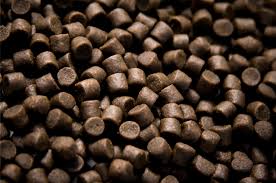
The aquaculture industry has seen rapid growth over recent decades. Fish and shrimp farming now supply more seafood than ever. As this industry expands, the need for better nutrition tools grows stronger. Consumers want sustainable, healthy seafood. That’s where extruded aqua feed steps in. This innovative feed type offers superior quality, digestibility, and performance. Understanding how the market for extruded aqua feed is changing helps producers, investors, and researchers stay ahead. It’s key to grasp current trends, technological progress, and future chances in this sector.
Market overview and current trends in the extruded aqua feed industry
Recent reports show the aquafeed industry is booming. The use of extruded aqua feed is rising fast. The global market is expected to grow at a compound annual growth rate (CAGR) of around 7% over the next five years. This growth is driven by increased aquaculture production and better technology. Experts predict the market for extruded aqua feed could reach billions of dollars by 2030. With aquaculture globally producing over 100 million tonnes of seafood annually, demand for high-quality feed is clear. Markets are expanding in Asia, North America, and Europe, with Asia-Pacific leading the way.
Key drivers behind market expansion
Several factors push this market forward. First, global fish consumption continues to climb. People want healthy, sustainable seafood options. Second, technological advances make feeds more nutritious and easier to digest. New extrusion methods preserve nutrients better, making fish healthier and faster-growing. Lastly, consumer trends lean toward organic and eco-friendly products. This pushes demand for responsibly made aqua feeds.
Regional market dynamics
Asia-Pacific dominates the scene due to its large aquaculture industry. Countries like China, India, and Indonesia are big players. They produce huge volumes of farmed fish and shrimp, which depends on high-quality extruded feeds. North America and Europe follow, focusing on premium products for sustainable fisheries. These regions also regulate food safety more strictly, influencing manufacturing standards and ingredients.
Challenges facing the market
Despite growth, obstacles remain. Feed costs often fluctuate, hitting profit margins. Regulations around food safety and environmental standards are tightening, making compliance a challenge. Manufacturing processes can generate waste, raising environmental concerns. Producers must balance cost with quality and safety to succeed.
Technological advancements in extruded aqua feed production
Extrusion technology and equipment
Modern extrusion machinery is more sophisticated than ever. High-pressure extrusion systems create dense, pellet-stabilised feeds. These machines use precise temperature and pressure control, ensuring nutrients stay intact. Benefits include improved pellet durability, faster sinking rates, and better moisture control. These factors make feeds more appealing to fish and shrimp.
Formulation and ingredient innovations
Innovators are exploring alternative proteins for aqua feed. Insect meal, plant-based proteins like soybean and pea proteins, are now common. These options reduce reliance on fishmeal, lowering costs and supporting sustainability. Functional ingredients, including vitamins, minerals, and probiotics, are added to boost health and disease resistance.
Sustainability and eco-friendly processes
Manufacturers are adopting greener methods. Reducing waste and energy use during production cuts the carbon footprint. They’re blending renewable raw materials, like algae and insect proteins, into feeds. Eco-friendly practices are critical as consumers and regulators demand cleaner manufacturing.
Quality control and safety measures
Regular testing is becoming standard. Parameters include pathogen control, nutrient content, and pellet quality. Certifications like HACCP and ISO help verify safety. These measures reassure buyers that feeds meet all safety standards and provide consistent nutrition, which is vital for healthy farmed seafood.
Benefits and nutritional advantages of extruded aqua feed
Improved digestibility and feed conversion
Extrusion makes nutrients more available. Fish and shrimp digest feeds faster and more efficiently. This results in better growth rates and less waste. Better feed conversion ratios mean farms produce more seafood with less feed, saving costs and reducing environmental impact.
Enhanced palatability and stability
Pellet texture and taste are key to acceptance. Extruded feeds are typically more appealing to aquatic animals. Their physical stability means they don’t dissolve quickly in water, reducing waste and water pollution. Plus, shelf life is longer, maintaining quality over time.
Customization for different aquatic species
Every species has unique dietary needs. Fish like salmon and tilapia may require different formulations than shrimp. Manufacturers craft species-specific feeds with tailor-made nutrients. This enhances growth and health, supporting successful aquaculture operations.
Impacts on fish health and disease resistance
Adding immunostimulants and probiotics into extruded feeds helps build strong immune systems. Studies show these feeds can lower disease outbreaks. A healthier farmed fish means fewer medicines, better product quality, and higher profits.
Future outlook, opportunities, and strategic recommendations
Emerging trends and innovations
Artificial intelligence and automation are streamlining production. These technologies improve efficiency and consistency. The future also holds nutraceutical-based feeds, containing functional ingredients to boost fish health and immunity.
Regulatory and sustainability frameworks
Expect stricter regulations around eco-labelling and safety standards. Certification programs for sustainable aquafeeds are becoming more popular. Meeting these standards unlocks new markets and builds consumer trust.
Investment and business expansion tips
Investing in R&D can create unique products that stand out. Expanding regional footprints helps reach emerging markets. Building resilient supply chains ensures smooth operations, regardless of market shifts.
Actionable tips for stakeholders
Partner with universities and research institutes to stay updated on innovations. Adopt eco-friendly practices, signalling your commitment to sustainability. Keep an eye on market data to adapt swiftly to consumer preferences and regulatory changes.
Conclusion
The extruded aqua feed market is growing fast, shaped by technological progress, consumer demand, and sustainable practices. Innovation drives better products, helping fish and shrimp grow healthier and faster. As the market evolves, staying ahead means investing in new technologies, following safety standards, and embracing eco-friendly methods. For stakeholders and investors, the future holds promising opportunities. With strategic planning and a focus on quality and sustainability, you can succeed in this vibrant industry.