Plant-based proteins are taking the spotlight more than ever. People want healthier, tastier, and more sustainable food choices. Two popular options in this growing field are Textured Vegetable Protein (TVP) and High Moisture Meat Analogues (HMMAs). These meat alternatives help vegetarians and vegans enjoy familiar textures and flavors without animal products. But how do they compare? This article breaks down their production, texture, nutrition, culinary uses, and environmental impact so you can make smarter choices.
What are TVP and High Moisture Meat Analogues? 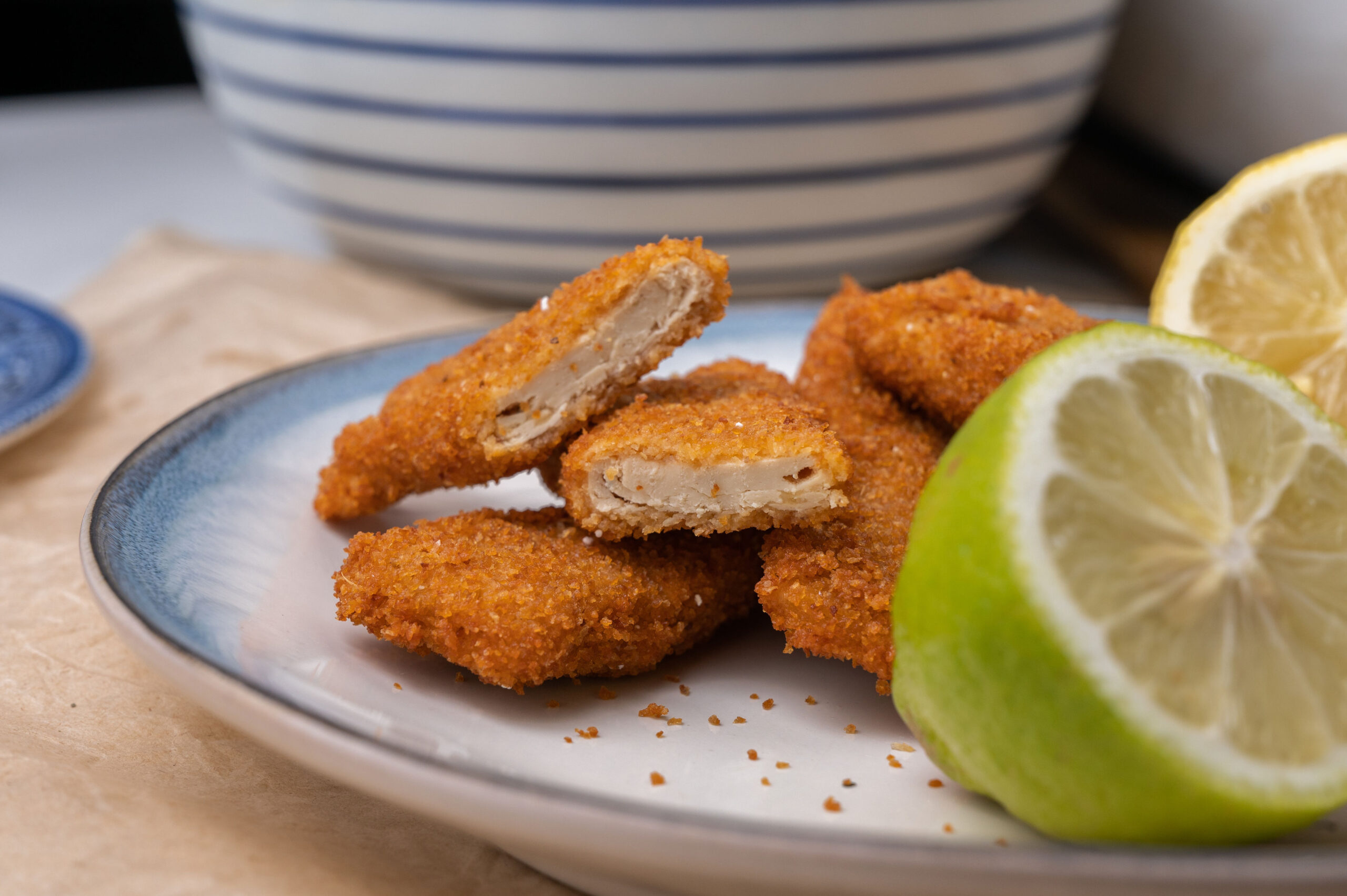
Textured Vegetable Protein (TVP)
TVP is a plant-based protein made from soybeans or other legumes. It starts with soy flour or protein isolate, which is processed into a fibrous, porous product. Once dried, TVP comes in several forms, such as flakes, granules, and chunks. It’s often used in recipes like chili, spaghetti sauce, or veggie burgers. Its neutral flavor allows it to soak up seasonings and sauces easily.
High Moisture Meat Analogues (HMMAs)
HMMAs are newer and more advanced meat substitutes. They are made using high-moisture extrusion, which keeps their water content high during production. This process produces products that look, feel, and taste more like real meat — think shredded chicken, beef fillets, or seafood. These analogues are often sold as pre-shaped pieces, perfect for grilling or frying.
Key differences at a glance
| Feature | TVP | HMMAs |
| Moisture Content | Low (about 10-15%) | High (60-80%) or more |
| Manufacturing | Dried, extruded soy or legume proteins | High-moisture extrusion, retains juiciness |
| Texture | Chewy, porous, firm | Juicy, fibrous, meat-like |
| Culinary Use | Soups, stews, sauces | Grilled, fried, or cut like real meat |
Production processes and ingredient composition
How TVP is made
Making TVP involves drying soy or other plant protein to remove moisture. The soy is processed into flour or concentrates, then mixed with water and flavorings. Hot steam through extrusion shapes it into various forms. Once cooled, it’s dried into flakes or chunks. Because it’s largely soy-based, TVP is high in protein but less juicy.
How High Moisture Meat Analogues are made
HMMAs use a more complex process called high-moisture extrusion. This involves mixing plant proteins, water, binding agents, and flavors, then pushing the mixture through an extruder at a high temperature and pressure. This process creates products that mimic the fibers, moisture, and texture of real meat.
Impact on texture and flavor
The manufacturing methods determine the final product. TVP has a porous, chewy texture suited for absorbing flavors but usually lacks moisture. HMMAs, on the other hand, maintain their juiciness and fibrous structure, giving them a more authentic meat experience. Seasonings and cooking methods further enhance their taste.
Texture, taste, and culinary applications
Comparing texture profiles
- TVP: Think of it like a sponge — it’s firm, chewy, and porous, making it perfect for adding bulk to soups or stews.
- HMMAs: These are more like real meat. They’re juicy, fibrous, and have a satisfying bite, great for grilling or frying.
Flavor and seasoning compatibility
TVP’s neutral flavor acts like a blank canvas. It easily takes on the taste of marinades, sauces, or spices. HMMAs tend to have a more complex, savory flavor profile, often mimicking chicken or beef naturally. They pair well with straightforward seasonings and are best cooked to highlight their meaty qualities.
Versatility in cooking
For TVP, soak in hot water or broth before cooking to soften. It then absorbs flavors and works in soups, tacos, or chili. HMMAs can be cooked directly, grilled, or pan-fried, giving a more realistic meat-like texture. For best results, season and prepare them similarly to real meat for an authentic eating experience.
Nutritional comparison
Protein content and amino acid profile
Both TVP and HMMAs are rich in protein, offering all essential amino acids. TVP generally provides around 50 grams of protein per 100 grams, making it a powerhouse for plant-based diets. HMMAs also deliver high amounts of protein, often with added nutrients like iron and B vitamins to boost nutrition.
Fat, carbohydrates, and caloric values
TVP is low in fat and carbs, which makes it suitable for weight management. HMMAs tend to have slightly higher fat content, especially if oils or flavorings are added. Calorie counts are comparable, but HMMAs may be more satisfying due to their moist, fibrous structure.
Health benefits and considerations
Both options are fantastic sources of plant protein, supporting muscle growth and overall health. However, TVP is often more processed, and some products contain added preservatives or fillers. Be sure to read labels—favor organic and minimally processed options. HMMAs, while newer and often more natural in presentation, can also contain additives for flavor and texture.
Practical tips for consumers
- Choosing quality products: Look for brands that use organic, non-GMO ingredients. Read labels for added preservatives or fillers.
- Cooking tips: Rehydrate TVP in broth for flavor before adding it to dishes. For HMMAs, cook according to package instructions for the best texture.
- Incorporating into diet: Use TVP in chili, pasta sauces, or tacos. HMMAs work well as grilled steaks, chicken strips, or seafood substitutes.
- Smart shopping: Prioritize products with minimal processing and transparent sourcing. Think about your taste preference and health goals.
Conclusion
Both TVP and High Moisture Meat Analogues add valuable options to plant-based eating. TVP is affordable, shelf-stable, and perfect for soaking up flavors in hearty dishes. HMMAs offer a more realistic, juicy meat experience, ideal for those craving familiar textures. Your choice depends on taste preferences, nutritional goals, and environmental values. Whichever you pick, both help reduce your carbon footprint and promote healthier living. Make informed decisions, experiment in the kitchen, and enjoy the benefits of plant-powered meals.